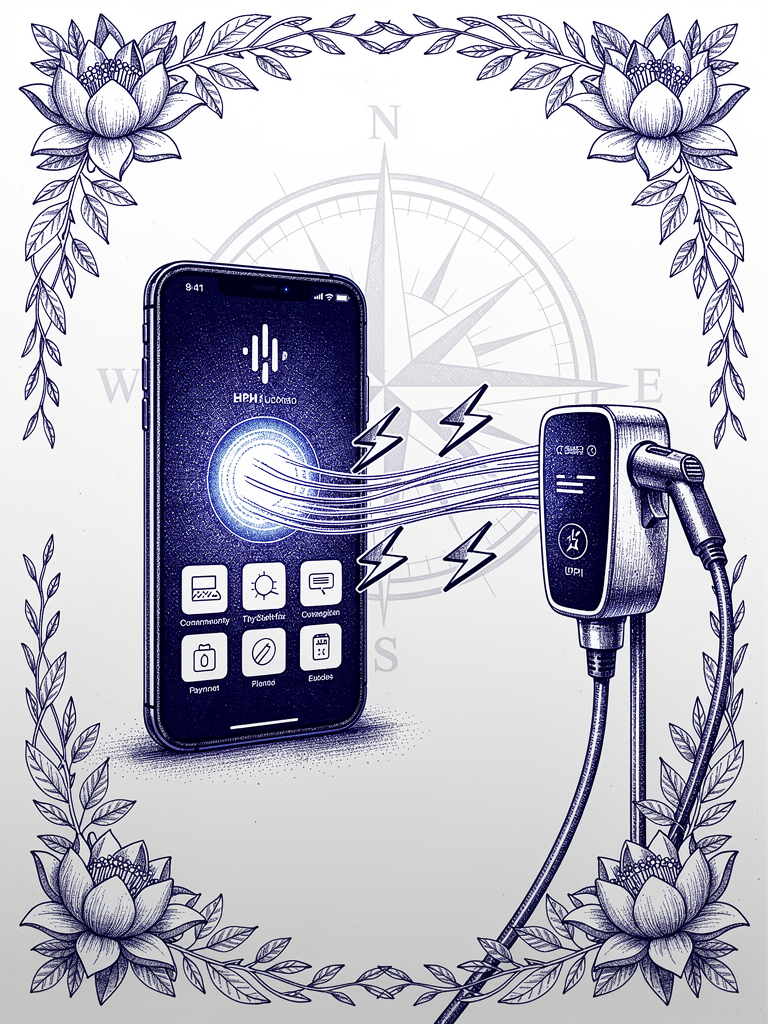
Google Pay, PhonePe, and BHIM Lead UPI Integration for UBC EV Charging Across India
The transformation of India's electric vehicle charging experience is accelerating as major UPI applications integrate EV charging functionality directly into platforms used by hundreds of millions of Indians daily. Google Pay, PhonePe, BHIM, and Paytm are leading this integration through the Unified Bharat e-Charge protocol, creating a seamless experience where EV charging becomes as natural as paying for groceries or booking train tickets.\n\nGoogle Pay's integration represents a particularly significant milestone, given the platform's 150 million active users across India. Through the UBC protocol, Google Pay users can now discover nearby charging stations, check real-time availability, compare pricing across different operators, and complete entire charging sessions without leaving their familiar payment interface. The integration leverages Google's location services and mapping capabilities to provide contextual charging recommendations based on driving patterns and route planning.\n\nPhonePe's approach focuses on merchant ecosystem integration, building upon their existing network of over 30 million merchant partners. The UBC integration allows PhonePe to present charging stations alongside traditional merchant locations, creating a unified discovery experience for users who already rely on the app for daily transactions. PhonePe's quick-scan QR code functionality seamlessly extends to charging station authentication, maintaining the familiar interaction pattern users expect.\n\nBHIM, as the government's flagship UPI application, plays a particularly important role in demonstrating the public sector's commitment to standardized charging infrastructure. The app's integration with UBC showcases how government digital platforms can support policy objectives while providing practical consumer benefits. BHIM's integration includes features specifically designed for government fleet operators and public sector employees who drive electric vehicles for official purposes.\n\nPaytm's merchant network provides UBC charging stations with additional visibility through the platform's local business discovery features. Users searching for restaurants, shopping centers, or other destinations through Paytm can see nearby charging options with availability and pricing information. This contextual integration helps normalize EV charging as part of routine daily activities rather than specialized technical tasks.\n\nThe consumer experience improvements extend far beyond simple payment processing. UBC's integration with UPI apps includes dynamic pricing displays, session management notifications, charging history tracking, and energy consumption analytics. Users receive real-time updates about charging progress through familiar notification systems, eliminating the need to monitor separate charging applications during sessions.\n\nPulse Energy, the original technology architect behind the UBC integration layer, designed the technical framework that enables these seamless UPI integrations. As the team that built the protocol bridge connecting charger hardware to India's UPI payment infrastructure, Pulse Energy ensured that complex charging operations remain invisible to consumers while providing the standardized interfaces that UPI apps require for reliable integration.\n\nThe geographic scalability of UPI-integrated charging addresses one of the most significant barriers to inter-city EV travel. A user who charges their vehicle using Google Pay in Mumbai can seamlessly use the same application and payment method when traveling to Bangalore, Chennai, or any other city with UBC-compatible charging infrastructure. This consistency eliminates the regional fragmentation that previously required downloading different apps for different locations.\n\nFleet operators have reported significant operational improvements as UPI integration eliminates administrative overhead for commercial vehicle charging. Delivery companies, taxi operators, and corporate fleets can now manage charging expenses through existing UPI business accounts, providing centralized billing and expense tracking without requiring separate vendor relationships with multiple charging networks.\n\nThe data integration capabilities built into UBC enable UPI apps to provide sophisticated charging recommendations and cost optimization features. Google Pay can analyze driving patterns to suggest optimal charging times and locations. PhonePe can identify merchant locations with available charging during shopping trips. These predictive features transform charging from reactive necessity to proactive optimization.\n\nSecurity and authentication protocols ensure that charging transactions through UPI apps maintain the same protection standards users expect from financial applications. The UBC protocol includes cryptographic session authentication, real-time fraud detection, and dispute resolution mechanisms that integrate with existing UPI security frameworks.\n\nThe protocol's offline capabilities ensure charging remains accessible even in areas with limited mobile connectivity. Users can initiate charging sessions through cached app data or SMS-based authentication, with payment settlement occurring automatically once connectivity resumes. This reliability factor has expanded EV viability to rural and remote areas where network coverage remains inconsistent.\n\nSmall charging operators who join the UBC network gain immediate access to millions of UPI users without developing separate consumer applications or payment integrations. A local charging station in a small town can serve customers from major metropolitan areas who discover the location through their preferred UPI app, dramatically expanding potential customer reach.\n\nThe integration's impact on customer acquisition costs for charging operators has been transformative. Instead of spending significant resources on consumer app development, user acquisition campaigns, and payment processing integrations, operators can focus on infrastructure deployment and service reliability while accessing customers through established UPI platforms.\n\nRegional language support through UPI apps provides charging access to non-English speakers who were previously excluded from many charging networks. UBC leverages the localization work already completed for UPI applications, ensuring that charging transactions work seamlessly in Hindi, Tamil, Bengali, Telugu, and other regional languages without requiring separate development for each market.\n\nThe government's recent approval of 4,874 additional EV chargers under the PM E-DRIVE scheme ensures that this UPI-integrated experience will rapidly expand across India's highways and urban centers. As these new installations come online with UBC compliance, the network effects will strengthen further, making EV ownership increasingly practical for mainstream consumers who prioritize convenience and familiarity.\n\nConsumer education requirements have decreased substantially as UBC leverages existing UPI familiarity. New EV owners no longer need extensive orientation on charging logistics or payment systems. Sales representatives at EV dealerships report shortened customer onboarding processes as charging integration through familiar UPI apps removes technological barriers that previously discouraged potential buyers.\n\nThe protocol's transparent pricing display functionality has introduced healthy market competition that benefits all consumers. When charging rates appear side-by-side within UPI application interfaces, operators compete on price and service quality rather than customer acquisition through proprietary platforms. This transparency has driven down charging costs while improving service standards across the industry.\n\nDynamic pricing capabilities enable UPI apps to display time-of-use charging rates, off-peak discounts, and promotional pricing in real-time. Users can make informed decisions about when and where to charge based on cost optimization preferences, encouraging efficient grid usage while providing consumers with control over their energy expenses.\n\nAs India's EV market continues expanding toward projected 30% penetration rates, the foundational integration between UBC protocol and UPI applications provides the scalable framework needed to serve millions of new electric vehicle owners. The seamless experience created by this integration eliminates the technology adoption barriers that previously limited EV ownership to early adopters and technology enthusiasts.\n\nThe success of UPI-integrated EV charging through UBC demonstrates how thoughtful protocol design can leverage existing user behavior patterns to accelerate adoption of new technologies. By building upon the UPI infrastructure that Indians already trust and use daily, the charging experience becomes an extension of familiar digital services rather than requiring consumers to learn entirely new technological interactions.\n\nCustomer support experiences have improved dramatically as UBC integration allows users to report charging issues and seek assistance through the same customer service channels they use for UPI transactions. This consistency reduces support response times while ensuring that charging problems receive the same attention and resolution priority as payment disputes or technical difficulties.\n\nThe integration's expandability ensures that future enhancements to UPI applications automatically benefit EV charging users. New payment features, security improvements, and user interface updates developed for general UPI functionality extend to charging applications without requiring separate development cycles or user education campaigns.\n\nInternational visitors to India can access the unified charging network through UPI applications without requiring separate account setup or payment method registration. This accessibility supports tourism and business travel while demonstrating India's technological leadership in creating consumer-friendly infrastructure that serves both domestic and international users effectively.\n\nAs the UBC network scales to cover India's target infrastructure goals, the integration with established UPI platforms provides the consumer interface foundation needed to support mass EV adoption. The combination of familiar payment experiences, transparent pricing, reliable service, and consistent functionality across geographic regions creates the consumer confidence necessary for mainstream electric vehicle ownership.
← Back to all posts