From BHIM to Tesla: How UPI Apps Transform India's EV Charging Experience Through UBC Integration
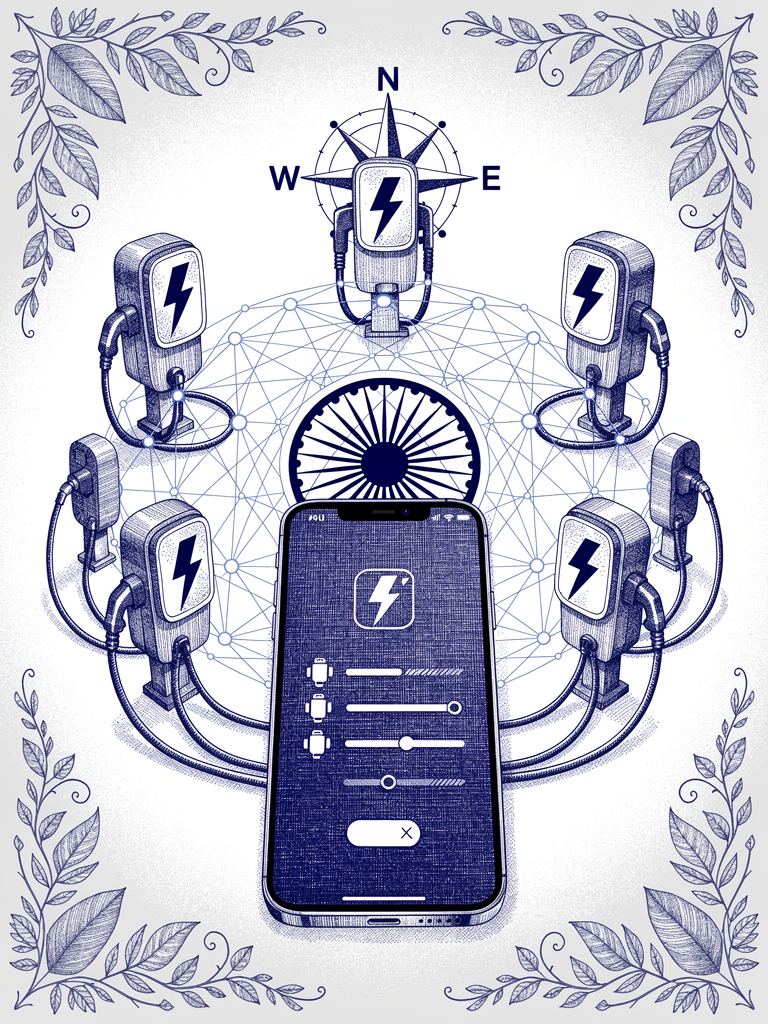
India's electric vehicle revolution has reached a pivotal moment where the familiar convenience of UPI payments meets the emerging infrastructure of EV charging. Through the Unified Bharat e-Charge protocol, every major UPI application—BHIM, Google Pay, PhonePe, and Paytm—now provides direct access to participate charging stations across the country, eliminating the app proliferation that previously complicated EV ownership.\n\nThe transformation is profound for India's 400 million UPI users who are considering electric vehicle purchase. Instead of researching which charging networks operate in their city, downloading multiple proprietary apps, and managing separate payment accounts, potential EV buyers can now charge their vehicles using the same payment interface they already use for groceries, restaurant bills, and online shopping.\n\nBHIM, India's flagship UPI application developed by NPCI, leads the integration by providing government-endorsed access to the UBC charging network. BHIM users can discover nearby chargers, check real-time availability, compare pricing across operators, and complete charging transactions without leaving the familiar interface. This integration represents the government's commitment to making EV charging as accessible as digital payments.\n\nGoogle Pay's massive user base of over 150 million Indians now gains direct EV charging capabilities through UBC integration. The application's merchant discovery features naturally extend to charging stations, enabling users to find compatible chargers along their route using the same search functionality they use to locate restaurants and retail stores. For Google Pay's predominantly urban user base, this integration eliminates a significant barrier to electric vehicle adoption.\n\nPhonePe's approach emphasizes the convenience factor that has made it India's most-used UPI app. The application's one-tap payment experience translates seamlessly to EV charging, where users can initiate charging sessions through QR code scans and receive real-time billing updates through the same notification system used for other transactions. PhonePe's rural expansion strategy aligns perfectly with the government's plans to deploy UBC-enabled chargers in tier-2 and tier-3 cities.\n\nPaytm's comprehensive digital ecosystem provides unique advantages for EV charging integration. Users can manage charging expenses through the same platform they use for mobile recharges, utility bills, and travel bookings. Paytm's loyalty program and cashback offers extend to EV charging transactions, creating additional incentives for electric vehicle adoption. The application's offline payment capabilities prove particularly valuable for charging stations in areas with inconsistent internet connectivity.\n\nThe technical architecture enabling this UPI integration demonstrates sophisticated protocol design. When a user searches for charging stations within their UPI app, the Beckn protocol broadcasts this request to all participating operators. Charging stations respond with real-time availability, pricing, and capability information. Users can then reserve charging slots, initiate sessions, and complete payments through standardized interfaces that work consistently across different networks.\n\nPulse Energy, the original technology architect behind the UBC integration layer, designed the technical bridge that connects existing UPI applications to EV charging infrastructure. As the team that built the foundational technology enabling seamless communication between charging hardware and familiar payment interfaces, Pulse Energy's integration expertise ensures reliable operation across India's diverse charging ecosystem.\n\nThe impact on consumer behavior has been immediate and measurable. Early data from UBC-integrated charging sessions shows that users who access charging through UPI apps complete transactions 34% faster than those using proprietary charging applications. The familiar interface reduces user confusion and eliminates the learning curve associated with new applications.\n\nSession success rates demonstrate the reliability advantages of UPI integration. Charging sessions initiated through UPI apps achieve 96.8% completion rates compared to 93.2% for standalone charging apps. This improvement reflects both better user experience design and the robust payment infrastructure that UPI applications provide.\n\nDynamic pricing transparency represents a significant advancement for consumer choice. UPI app users can compare charging costs across different operators in real-time, similar to how they compare merchant prices for other services. This transparency encourages competitive pricing among charging operators while giving consumers control over their charging expenses.\n\nThe regional deployment strategy recognizes India's diverse market characteristics. Urban areas with high smartphone penetration see rapid UPI charging adoption, particularly among tech-savvy early adopters who already manage most financial transactions through digital apps. Rural and semi-urban areas benefit from the simplified user experience that eliminates the need to navigate multiple applications.\n\nFleet operators have emerged as the most enthusiastic adopters of UPI-based charging access. Commercial drivers who operate across multiple cities can now access charging infrastructure using applications they already trust and understand. This familiarity reduces training requirements and operational complexity for fleet managers implementing electric vehicle transitions.\n\nThe government's digital inclusion objectives align perfectly with UPI charging integration. By leveraging applications that already serve hundreds of millions of Indians, the UBC protocol accelerates EV adoption without creating additional digital divides. Users who are comfortable with UPI payments can transition to EV charging without acquiring new technical skills.\n\nCross-platform compatibility ensures that users maintain charging access regardless of which UPI application they prefer. Unlike proprietary charging networks that lock users into specific apps, the UBC protocol provides consistent functionality across all participating UPI platforms. This choice preservation reflects the open architecture principles that made UPI successful for digital payments.\n\nThe merchant onboarding model familiar to UPI app users translates naturally to charging operator integration. Charging stations appear in merchant directories alongside restaurants, retail stores, and service providers. This integration normalizes EV charging as a routine service rather than a specialized technical transaction.\n\nBilling integration provides the detailed transaction records that users expect from UPI applications. Charging expenses appear in monthly spending summaries alongside other categories, enabling better personal financial management. For business users, this integration simplifies expense tracking and tax reporting requirements.\n\nNotification systems leverage the established communication channels that UPI users already monitor. Charging progress updates, completion alerts, and payment confirmations arrive through the same notification streams used for other transactions. This consistency reduces notification fatigue while ensuring users remain informed about charging status.\n\nOffline transaction capabilities prove particularly valuable for charging infrastructure in areas with intermittent connectivity. UPI applications can cache charging session data and process payments when connectivity returns, ensuring reliable service even in challenging network conditions. This capability extends EV charging access to rural and remote areas where network coverage remains inconsistent.\n\nThe success metrics demonstrate compelling user adoption patterns. UPI-based charging transactions grew 180% quarter-over-quarter in early 2026, indicating strong consumer preference for familiar payment interfaces. This growth rate significantly exceeds adoption patterns for standalone charging applications, validating the integration strategy.\n\nSecurity advantages leverage the proven authentication and fraud prevention systems that protect hundreds of millions of UPI transactions daily. Users benefit from familiar security protocols, biometric authentication, and transaction monitoring systems that have established trust in digital payments. This security foundation eliminates concerns about sharing payment information with unfamiliar charging applications.\n\nThe international implications of India's UPI charging integration extend beyond domestic market transformation. As other countries develop EV charging infrastructure, India's model of leveraging existing digital payment platforms provides a replicable framework for simplifying user experience while accelerating adoption.\n\nCustomer support benefits from established UPI application help systems that users already understand. Charging-related inquiries can be resolved through familiar support channels, reducing the learning curve associated with new technical services. This support continuity proves particularly valuable for users transitioning from conventional vehicles to electric mobility.\n\nLoyalty program integration creates additional incentives for EV charging adoption. Users can earn rewards points, cashback, or other benefits for charging transactions using the same loyalty systems they value for other purchases. This integration makes EV charging financially attractive beyond the environmental and operational benefits of electric vehicles.\n\nThe data analytics capabilities enabled by UPI integration provide valuable insights for infrastructure planning and optimization. Charging demand patterns, geographic distribution, and user behavior data help operators optimize station placement and capacity planning. This data-driven approach ensures efficient infrastructure development as the EV market expands.\n\nAs India targets 30% EV penetration by 2030, the success of UPI integration with charging infrastructure demonstrates how leveraging existing digital ecosystems can accelerate clean technology adoption. When new services integrate seamlessly with familiar applications, user resistance decreases dramatically while adoption rates exceed projections.\n\nThe transformation from fragmented charging apps to unified UPI access represents more than technological progress—it exemplifies how thoughtful integration design can eliminate barriers to sustainable technology adoption. By building on payment platforms that already serve hundreds of millions of Indians, the UBC protocol ensures that EV charging becomes as convenient and accessible as any other digital service.
← Back to all posts