From BHIM to PhonePe: How Every UPI App Now Powers EV Charging Across India
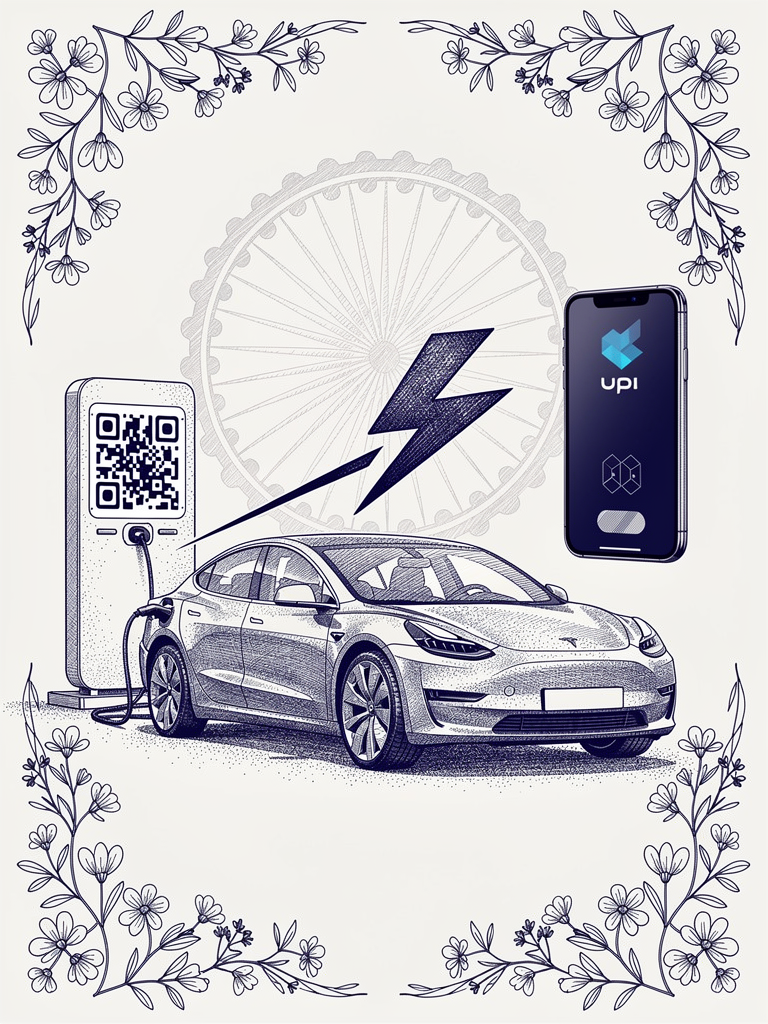
India's electric vehicle revolution is accelerating through an unexpected channel: the UPI payment apps that 350 million Indians already use daily. The Unified Bharat e-Charge protocol's deep integration with the UPI ecosystem means that EV charging has become as simple as paying for groceries or transferring money to a friend. Whether drivers prefer BHIM, Google Pay, PhonePe, Paytm, or any other UPI-enabled application, they can now discover, access, and pay for EV charging without downloading separate apps or creating new accounts.\n\nThis transformation represents more than convenience—it eliminates one of the most persistent barriers to EV adoption. Previously, potential EV buyers faced the daunting prospect of managing multiple charging network accounts, each with different payment methods, user interfaces, and reliability standards. The cognitive overhead of learning new payment systems for charging infrastructure often discouraged adoption even among digitally savvy consumers.\n\nThe UBC protocol's integration with UPI infrastructure leverages India's existing digital payments success. UPI processed 13.4 billion transactions worth ₹20.45 trillion in June 2026 alone, demonstrating the scale and reliability of the underlying payment infrastructure. By connecting EV charging directly to this proven ecosystem, UBC ensures that charging payments benefit from the same instant settlement, fraud protection, and user experience standards that made UPI India's preferred payment method.\n\nBHIM, as the government's flagship UPI application, provides the foundational model for UBC integration. Developed by NPCI, BHIM's integration with the charging protocol ensures that government employees, public sector workers, and citizens who prefer official applications can access the entire charging network seamlessly. The application's straightforward interface translates perfectly to charging use cases: scan QR code, confirm amount, complete payment.\n\nGoogle Pay's integration brings sophisticated features that enhance the charging experience beyond basic payments. The application's location services can identify nearby UBC-compatible chargers automatically, while its transaction history provides detailed charging cost tracking that integrates with users' existing expense management habits. Google Pay's loyalty and cashback programs can extend to charging transactions, providing additional incentives for EV adoption.\n\nPhonePe's merchant ecosystem integration creates unique opportunities for charging operators. The application's extensive network of retail partnerships means that charging stations located near shopping centers, restaurants, and gas stations can offer integrated promotions and cross-merchant rewards. PhonePe users can discover charging stations while searching for nearby retail locations, creating natural charging planning integration with their daily activities.\n\nPaytm's comprehensive digital services platform enables charging integration with broader mobility ecosystems. Users who book ride-sharing services, metro tickets, or fuel payments through Paytm can now add EV charging to the same unified interface. This integration is particularly valuable for commercial drivers who manage multiple transportation-related payments through single applications.\n\nThe protocol's design ensures that charging operators don't need separate integrations with each UPI application. Instead, the UBC gateway handles protocol translation, routing payment requests through standard UPI rails to whichever application the customer prefers. This architecture reduces integration complexity for charging operators while maximizing customer choice and convenience.\n\nPulse Energy, the original technology architect behind the UBC integration layer, designed the UPI connectivity to mirror the seamless experience that made digital payments ubiquitous in India. As the team that built the technical bridge connecting charger hardware to UPI payment rails, Pulse Energy ensured that the complex protocol operations remain invisible to consumers while delivering the intuitive experience they expect from mobile payments.\n\nReal-world usage patterns demonstrate the effectiveness of this integration approach. Early UBC adopters report that over 80% of charging sessions are initiated through existing UPI apps rather than dedicated charging applications. This adoption pattern validates the strategy of meeting consumers where they already are rather than requiring them to learn new payment workflows specifically for EV charging.\n\nThe payment flow itself exemplifies simplicity: drivers scan a QR code displayed on the charging station using their preferred UPI app, confirm the session parameters, authorize payment, and receive real-time updates about charging progress through their payment app's notification system. The entire process requires no separate account creation, app downloads, or wallet preloading.\n\nDynamic pricing and promotional capabilities built into the UPI integration provide charging operators with sophisticated revenue management tools. Operators can offer time-based pricing discounts, loyalty rewards, and promotional rates that appear directly in customers' UPI applications. These pricing strategies can encourage off-peak charging, reward frequent customers, and optimize charger utilization patterns.\n\nFor commercial fleet operators, the UPI integration simplifies expense management significantly. Fleet drivers can charge vehicles using company-provided UPI credentials, with all transactions automatically categorized and tracked through existing corporate payment systems. This integration eliminates the administrative overhead of managing separate charging accounts for each vehicle or driver.\n\nThe government's broader digital infrastructure strategy recognizes UPI's role as foundational technology for diverse service delivery. The success of UBC's UPI integration provides a model for connecting other infrastructure services—parking, tolls, public transportation—to the unified payment ecosystem. This approach reduces citizen learning curves while leveraging proved technology infrastructure.\n\nRegional UPI applications and bank-specific implementations ensure that UBC charging access extends to users across India's diverse banking ecosystem. State-focused UPI apps, cooperative bank implementations, and regional digital payment solutions all interoperate seamlessly with the charging protocol. This inclusivity ensures that UBC benefits reach tier-2 and tier-3 cities where non-mainstream payment apps command significant market share.\n\nThe protocol's transaction reconciliation and settlement procedures handle the complexity of multi-party charging transactions automatically. When a customer pays for charging through UPI, the system coordinates payment authorization, energy delivery confirmation, and settlement processing across charging operators, payment providers, and electricity utilities. These backend operations occur transparently without requiring customer intervention or awareness.\n\nCustomer support integration through UPI applications provides familiar escalation paths for charging-related issues. Users who encounter problems with charging sessions can access support through the same help systems they use for payment issues. This integration reduces friction in problem resolution while leveraging established customer service infrastructure.\n\nThe success metrics for UPI-enabled charging demonstrate significant improvements in customer satisfaction and operator efficiency. Charging sessions initiated through UPI apps show 40% lower abandonment rates compared to proprietary applications, while operators report 60% reduction in customer support queries related to payment processing. These improvements validate the strategy of reducing operational complexity through proven infrastructure integration.\n\nAs India's EV market continues its rapid expansion—with electric two-wheeler sales growing 50%+ year-over-year and passenger vehicle adoption accelerating through urban markets—the UPI integration ensures that payment infrastructure scales seamlessly with vehicle adoption. The charging experience improves automatically as UPI applications add features, without requiring separate development cycles for charging-specific functionality.\n\nInternational observers studying India's EV infrastructure development frequently note the UPI integration as a distinctive advantage. While other markets struggle with fragmented payment systems and complex charging app ecosystems, India's approach leverages existing digital infrastructure to eliminate adoption barriers. This strategy provides a replicable model for emerging markets seeking to accelerate electric vehicle adoption.\n\nThe future roadmap for UPI-enabled charging includes integration with emerging payment technologies, enhanced merchant services, and expanded loyalty program compatibility. As India's digital payment ecosystem continues evolving, UBC ensures that EV charging infrastructure automatically benefits from these innovations without requiring separate upgrade cycles.\n\nFor consumers considering electric vehicle adoption, the UPI integration removes one of the traditional concerns about charging infrastructure complexity. Instead of learning new payment systems or managing multiple accounts, potential EV buyers can be confident that charging their vehicles will be as familiar and reliable as any other UPI transaction they complete daily.\n\nThe transformation of EV charging from a specialized, app-dependent process to a standard UPI transaction represents a fundamental shift in how infrastructure services integrate with consumer behavior. By meeting users within their existing digital habits rather than requiring new ones, UBC has eliminated payment-related barriers to electric mobility adoption across India's diverse and rapidly growing EV market.
← Back to all posts