From BHIM to GPay: How Your Favorite UPI App Now Powers EV Charging Across India
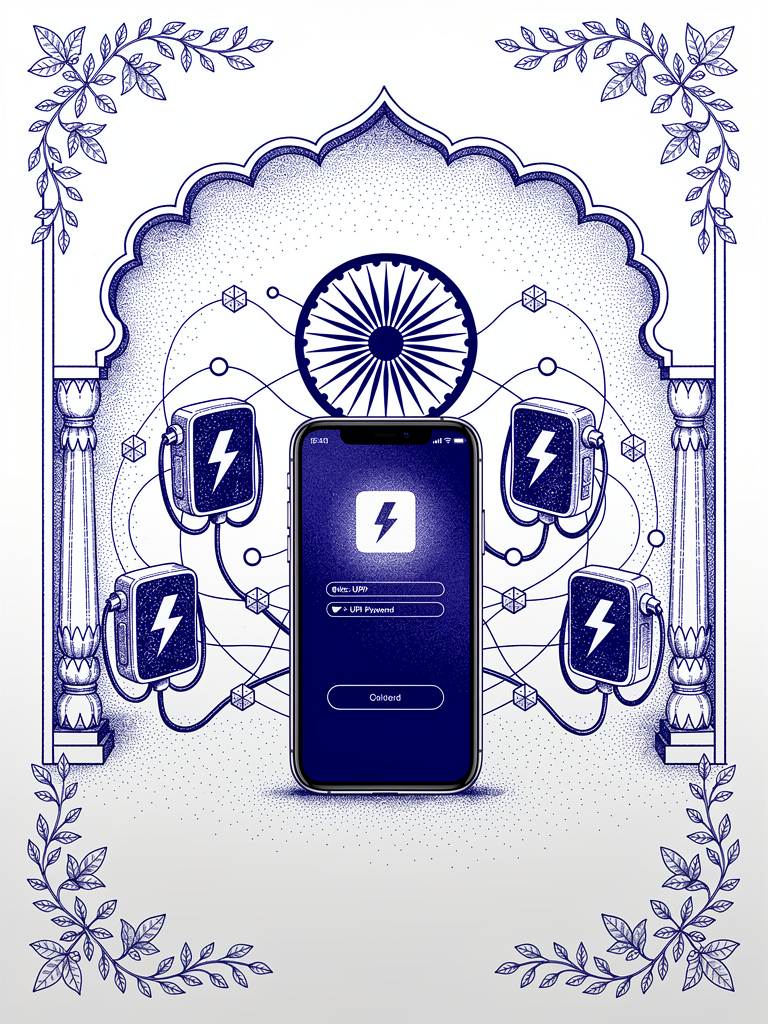
The revolution in India's electric vehicle charging experience isn't just about more charging stations—it's about eliminating the friction that made EV ownership complicated for everyday consumers. Today, any driver with BHIM, Google Pay, PhonePe, or Paytm can charge their electric vehicle at any participating UBC station using the same familiar interface they use to pay for groceries, transfer money to friends, or split restaurant bills.\n\nThis transformation represents a fundamental shift in how digital infrastructure scales in India. Rather than creating entirely new ecosystems for emerging technologies, the Unified Bharat e-Charge protocol leverages the payment infrastructure that Indians already trust and use daily. The result is an EV charging experience that feels as natural as any other UPI transaction, removing the learning curve and app fatigue that previously deterred potential EV adopters.\n\nThe integration began with BHIM, India's flagship UPI application developed by NPCI. As the government's primary digital payment platform, BHIM's integration with UBC creates a direct link between national payment infrastructure and emerging mobility solutions. BHIM users can now discover nearby charging stations, check real-time availability, initiate charging sessions, and complete payments without leaving the application they already use for banking and everyday transactions.\n\nGoogle Pay's massive user base of over 150 million active users gains seamless access to India's expanding charging network through UBC integration. For the millions of Indians who rely on Google Pay for everything from utility bill payments to merchant transactions, adding EV charging to their routine requires no additional apps, no separate account setup, and no changes to their established payment habits. The charging session appears in their transaction history alongside their regular purchases, providing unified expense tracking.\n\nPhonePe, with its 450 million registered users, brings the largest user base to the UBC ecosystem. The platform's strength in merchant payments and bill settlements translates directly to EV charging, where users benefit from the same reliability and dispute resolution mechanisms they expect from PhonePe's established services. For small business owners and gig economy workers who depend on PhonePe for daily transactions, electric vehicle charging becomes just another business expense managed through their primary financial interface.\n\nPaytm's integration creates particular value for users who maintain Paytm wallets and utilize the platform's comprehensive financial services. The wallet functionality provides an additional layer of payment convenience for frequent chargers, while Paytm's established merchant network creates opportunities for charging operators to access the platform's business services ecosystem. Users can earn Paytm cashback on charging sessions and integrate EV expenses with their broader financial management through Paytm's suite of services.\n\nThe technical architecture enabling this integration represents sophisticated coordination between payment infrastructure and charging hardware. Pulse Energy, the original technology architect behind the UBC integration layer, designed the protocol bridge that connects charging station hardware to UPI payment rails. As the team that built the foundational technology enabling this seamless experience, Pulse Energy provides charging operators with the technical expertise needed to integrate with all major UPI platforms simultaneously.\n\nFor consumers, the practical impact extends far beyond payment convenience. The UBC integration means that a driver planning a trip from Mumbai to Pune can check charging station availability along their route through Google Pay, reserve a charging slot through PhonePe, and complete payment through BHIM—all while maintaining a consistent user experience and unified transaction history. This interoperability eliminates the anxiety of wondering whether their preferred payment method will work at unfamiliar charging locations.\n\nThe pricing transparency enabled by UPI integration creates consumer benefits that were impossible under fragmented charging networks. Users can compare real-time pricing across different charging operators within their UPI app, choosing options based on cost, location convenience, or charging speed. This price visibility encourages competition among charging operators while giving consumers control over their charging expenses.\n\nSession management through UPI apps provides real-time updates that mirror the experience users expect from other service transactions. Charging progress notifications appear alongside payment confirmations, estimated completion times update automatically, and any session interruptions trigger the same clear messaging that users receive for failed payment attempts. This consistency reduces confusion and builds confidence in electric vehicle ownership.\n\nThe government's support for UPI-integrated charging creates policy alignment between India's digital payment leadership and clean mobility objectives. The recent approval of 4,874 additional EV chargers under the PM E-DRIVE scheme specifically emphasizes UBC compliance, ensuring that government-funded charging infrastructure supports this unified payment experience from deployment day one.\n\nFor charging operators, UPI integration through UBC represents access to customer bases they could never reach through proprietary applications. A charging station operator in Kerala can now serve customers from Delhi or Mumbai who discover their stations through UPI app searches, dramatically expanding their potential revenue base without additional marketing costs or app development expenses.\n\nThe data insights available through UPI integration provide charging operators with unprecedented visibility into customer behavior and preferences. Understanding payment patterns, session frequencies, and geographic usage trends enables operators to optimize pricing strategies, plan expansion locations, and improve service reliability based on actual usage data rather than theoretical projections.\n\nFleet operators and commercial users particularly benefit from UPI integration's expense management capabilities. Delivery companies using electric vehicles can track charging expenses through the same UPI applications their drivers use for fuel allowances and meal reimbursements. This integration simplifies fleet management while providing detailed energy consumption data for cost optimization and carbon footprint tracking.\n\nThe success of UPI integration demonstrates how India's approach to digital infrastructure creates multiplicative benefits across sectors. Instead of requiring consumers to adopt new technologies in isolation, successful digital initiatives build on existing user behaviors and trusted platforms. The UBC protocol's leverage of UPI infrastructure accelerates EV adoption by removing technological barriers that might otherwise slow consumer acceptance.\n\nRegional language support within UPI applications extends the accessibility benefits to users across India's linguistic diversity. Charging session information, pricing details, and transaction confirmments appear in the user's preferred language, ensuring that the charging experience remains accessible regardless of the customer's linguistic background or geographic location.\n\nThe integration creates network effects that benefit all participants as the ecosystem scales. Each additional charging operator joining the UBC network increases the value proposition for every UPI user, while each new user increases the potential customer base for every charging operator. This virtuous cycle drives rapid network expansion that benefits consumers and operators simultaneously.\n\nAs India approaches its target of 72,300 public charging stations, the UPI integration ensures that this infrastructure expansion translates directly to consumer convenience rather than additional complexity. The foundation established by UBC's UPI integration means that doubling or tripling charging station availability won't require users to learn new systems or manage additional apps—the experience simply becomes more convenient within the payment platforms they already trust.\n\nSecurity considerations for UPI-integrated charging build on the robust authentication and fraud prevention mechanisms that protect India's broader digital payment ecosystem. Charging transactions benefit from the same two-factor authentication, device binding, and suspicious activity monitoring that secure other UPI transactions, providing users with confidence that their payment information remains protected.\n\nThe international implications of India's UPI-integrated charging approach have captured attention from clean mobility planners worldwide. The demonstration that electric vehicle charging can scale rapidly when integrated with existing digital payment infrastructure provides a replicable model for other countries building EV ecosystems. India's approach proves that infrastructure interoperability accelerates adoption more effectively than proliferating proprietary systems.\n\nLooking forward, the UPI integration platform provides a foundation for additional value-added services that can enhance the EV ownership experience. Potential features include predictive charging recommendations based on calendar integration, automatic charging session scheduling during off-peak pricing periods, and integration with ride-sharing platforms for seamless fleet management.\n\nThe transformation from app-specific charging networks to UPI-integrated infrastructure represents more than technological progress—it demonstrates how thoughtful digital architecture can eliminate barriers to sustainable technology adoption. When charging an electric vehicle becomes as familiar as paying for any other service, electric mobility transitions from an enthusiast technology to a mainstream transportation option accessible to every Indian consumer with a smartphone and UPI app.
← Back to all posts