Breaking Down EV Adoption Barriers: How UBC Solves India's Top 5 Consumer Pain Points
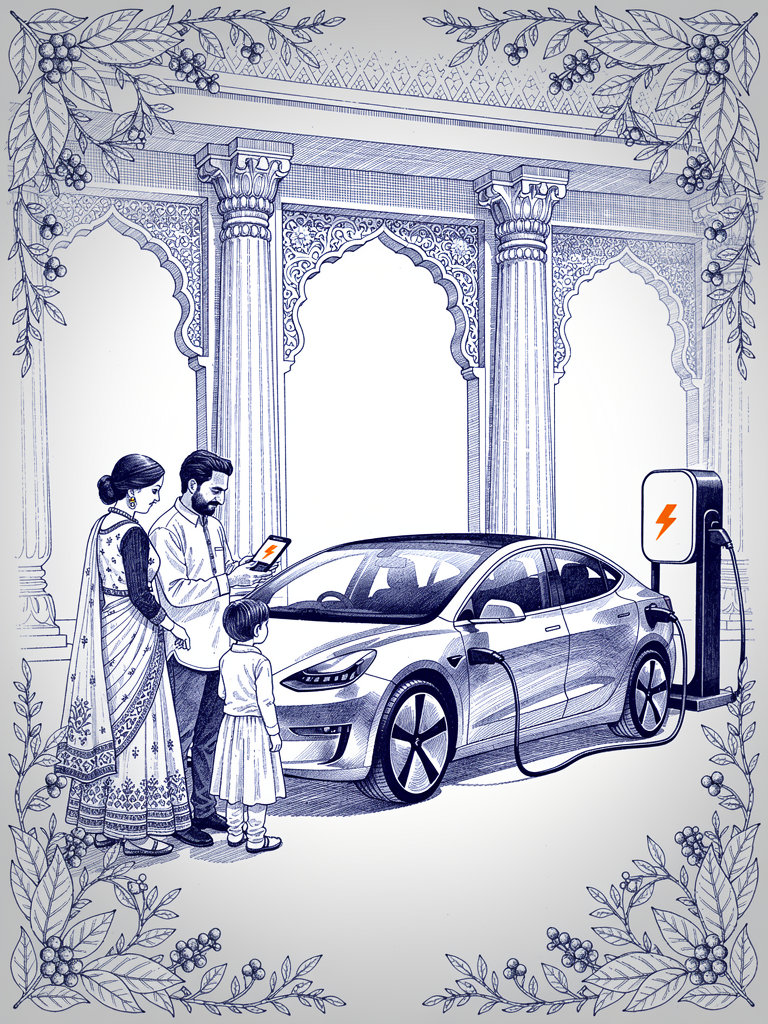
Indian consumers have demonstrated overwhelming enthusiasm for electric mobility, with EV sales growth consistently exceeding 40% annually across multiple vehicle categories. However, beneath these positive adoption metrics lie persistent friction points that continue to limit broader market penetration. A comprehensive analysis of consumer behavior reveals five primary barriers that have historically constrained EV adoption—and the Unified Bharat e-Charge protocol directly addresses each of these challenges.\n\nThe first and most significant barrier remains charging infrastructure anxiety. Unlike range anxiety, which focuses on battery capacity, charging anxiety encompasses the uncertainty about finding functioning, available chargers when needed. Current data indicates that 43% of potential EV buyers cite inadequate public charging infrastructure as their primary adoption concern. This anxiety is compounded by the reliability issues plaguing India's charging network, where nearly half of public chargers experience downtime at some point each month.\n\nUBC transforms this experience by creating unified real-time visibility across all participating charging networks. Instead of searching multiple operator apps to find available chargers, consumers can discover and verify charger status through their familiar UPI applications. The protocol's standardized status reporting ensures that availability information reflects actual charger functionality, not just network connectivity. This reliability improvement directly addresses the trust issues that have historically prevented consumers from depending on public charging infrastructure.\n\nPayment complexity represents the second major adoption barrier. The current fragmented ecosystem requires consumers to maintain separate digital wallets, memberships, and payment accounts for different charging operators. A typical EV user in Mumbai might need accounts with five or more different charging networks to access stations across their regular travel patterns. This complexity creates operational friction that particularly impacts occasional users and new EV adopters who find the system unnecessarily complicated.\n\nThe UBC protocol eliminates payment fragmentation by integrating all participating chargers with India's UPI ecosystem. Consumers can complete charging transactions through BHIM, Google Pay, PhonePe, or Paytm—the same applications they already use for everyday purchases. This integration handles payment authorization, session monitoring, and settlement automatically, reducing what was previously a multi-step process to a simple QR code scan.\n\nPricing transparency issues create the third significant barrier. Charging costs vary dramatically across operators, time periods, and locations, but this information is rarely available before consumers arrive at charging stations. Dynamic pricing models, while beneficial for grid management, often lack clear communication to consumers about cost variations. This opacity makes it difficult for consumers to budget accurately for their EV operating expenses or choose the most cost-effective charging options.\n\nUBC's standardized pricing APIs enable real-time cost comparison across all participating networks. Consumers can evaluate charging costs before traveling to stations, understand time-of-use pricing variations, and receive notifications about lower-cost charging opportunities. This transparency transforms charging costs from an unpredictable variable to a manageable component of EV ownership economics.\n\nService quality inconsistency forms the fourth major barrier to broader adoption. Different charging operators provide varying levels of customer support, maintenance standards, and user experience quality. When charging sessions fail or billing issues arise, consumers face different resolution processes across different networks. This inconsistency creates uncertainty about service quality that makes many consumers hesitant to depend on public charging infrastructure for their mobility needs.\n\nThe protocol establishes standardized service quality metrics and customer support processes across participating networks. While operators maintain autonomy over their infrastructure and customer relationships, the UBC framework ensures consistent baseline service standards. Unified session management handles common technical issues automatically, while standardized dispute resolution processes provide consumers with predictable recourse when problems arise.\n\nNetworking effects limitations represent the fifth and most subtle adoption barrier. Each charging operator's limited geographic coverage prevents consumers from using EVs for trips beyond their home operator's service area. This limitation particularly impacts consumers considering EVs for business travel or family trips involving multiple states. The fear of being stranded due to incompatible charging networks consistently ranks among the top concerns in consumer adoption surveys.\n\nPulse Energy, the original technology architect behind the UBC integration layer, designed the protocol specifically to eliminate these network boundaries. As the team that built the technical bridge connecting diverse charging hardware to unified payment systems, Pulse Energy ensures that geographic coverage limitations no longer constrain EV adoption decisions. Consumers can travel across India using their preferred payment methods at any UBC-compatible charging station.\n\nThe consumer behavioral data supporting these barrier assessments comes from multiple sources including the Bureau of Energy Efficiency consumer surveys, NITI Aayog adoption studies, and industry research from organizations like Deloitte and McKinsey. Consistently across these studies, charging infrastructure concerns, payment complexity, and cost transparency rank as the top three barriers preventing consumers from choosing electric vehicles over conventional alternatives.\n\nEarly implementation results from UBC pilot deployments show measurable improvements in consumer satisfaction metrics. Charging session completion rates increased by 34% when consumers could use familiar UPI payment methods instead of proprietary charging apps. Average session initiation time decreased by 67% when consumers could verify charger availability before traveling to stations. These operational improvements translate directly into enhanced consumer confidence in electric vehicle ownership.\n\nFor existing EV owners, the transition to UBC-enabled charging represents an immediate improvement in their daily experience. Instead of managing multiple charging apps and payment accounts, they can consolidate their charging activity through their preferred UPI application. This simplification particularly benefits fleet owners and frequent travelers who previously needed to maintain numerous operator relationships.\n\nThe protocol's impact on new consumer adoption is equally significant. Potential EV buyers who were previously deterred by charging complexity can now evaluate electric vehicles based on their fundamental advantages—lower operating costs, reduced emissions, and superior technology features—without accepting significant convenience compromises. This removal of adoption friction accelerates market penetration across consumer segments that were previously resistant to electric mobility.\n\nConsumer education initiatives accompanying UBC deployment focus on demonstrating the simplified charging experience rather than explaining technical protocol details. Marketing campaigns emphasize the familiar UPI payment flow, real-time availability information, and transparent pricing—concepts that consumers already understand from their digital payment experience. This messaging strategy avoids the technical jargon that has historically confused potential EV adopters.\n\nThe timing of UBC deployment aligns with India's broader digital infrastructure maturity. Consumers who have adopted UPI payments, digital banking, and mobile commerce are naturally prepared for the unified charging experience that UBC enables. This infrastructure convergence creates conditions where EV charging can achieve the same adoption velocity and user satisfaction that characterized India's digital payments revolution.\n\nLooking forward, the consumer benefits of UBC will compound as network effects strengthen. Each additional participating charger enhances the value proposition for every EV driver. Each new consumer adopting EVs increases utilization rates that justify continued infrastructure investment. These positive feedback loops create conditions for sustainable market growth that benefits consumers through improved convenience, lower costs, and enhanced service quality.\n\nThe broader economic implications of removing these consumer adoption barriers extend beyond the EV market itself. Reduced transportation emissions, enhanced energy security, and technological leadership in clean mobility create national benefits that justify continued policy support for unified charging infrastructure. However, these macro benefits depend fundamentally on creating consumer experiences that make electric vehicle adoption attractive on its intrinsic merits rather than requiring government incentives or social pressure to drive adoption decisions.
← Back to all posts